Stewarding AIHow to Build Responsible Principles, Workflows, and Practices

AI is neither neutral nor a tool. Nor does it enter a neutral environment. It's a set of organizational patterns to steward.
A seven-step framework for organizations that want to preserve human judgment, protect accountability, cultivate positive practices, and ensure AI use stays consistent with their values.

Most leaders treat AI as a neutral tool entering a neutral environment.
Six months later, roles have blurred, responsibility has drifted, and the "efficiency gains" have hollowed out exactly the capabilities you need most: the ability to listen, hold complexity, imagine differently, and make judgment calls no algorithm can make.
A neutral tool entering a neutral environment
A sociotechnical system that reshapes the organization it enters — and is shaped in turn
A compliance problem: risk frameworks, governance policies, ethics statements
A question of organizational design
A tool decision — which features, which vendor
Building strategies, workflows, and operations outward from what must stay human
A one-time adoption decision
Ongoing stewardship of relationships, judgment, and accountability
Seven steps that move AI adoption from a tool decision to an act of organizational design.
Built outward from a clear distinction between what must stay human and what machines actually do well. Click a letter.
See the System
Evaluate AI at the level of the tool — features, capabilities, vendor demos — without seeing the system the tool will enter and reshape.
Map what AI enters — information flows, power asymmetries, who develops judgment, whose work gets made invisible. Anchor AI decisions in the future you're building, not the tool's defaults.
You won't leave wondering where to start.
An organization that learns to steward its own evolution — keeping what's core while becoming something new.
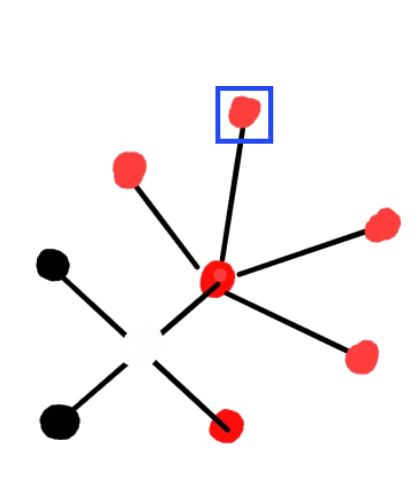
A values-aligned approach to AI adoption
Hover to learn more →A diagnostic process for assessing whether a specific AI use advances your strategy, aligns with your values, and avoids complicity with harms you won't accept — anchored in the future you're building, not the tool's defaults.
Redesigned workflows with accountability built in
Hover to learn more →Human and machine capacities that complement — with friction where judgment matters, override paths protected, and appeal and review designed in. A clear human floor, and a clear-eyed account of what AI actually adds.
A stewardship practice
Hover to learn more →Feedback loops that protect human judgement, sense-making that nurtures adaptive change, and the ability to translate across difference (because everyone is using the same words but talking past one another!) — designed to compound over time, so the work doesn't stop when the course does.
Leaders making decisions about AI — or advising those who are.
Not for people who want to learn how the models work under the hood. You don't need to be a data scientist, and you don't need to have decided whether AI is good or bad — if you have, this might unsettle you a little. That's fine too.
Setting organizational direction — or, as CTOs, COOs, and Chief Risk Officers, managing the operational reality.
"We need an AI strategy" or "we need AI principles that reflect our values" — now staring at a blank page.
Whose teams are already using AI, without a way to guide the workflow.
Take the Stewarding AI Diagnostic first.
Forty statements across the nine themes this course teaches. The low scores tell you which sessions will matter most.
The STEWARD framework, in plain words.
Seven steps that move AI adoption from a tool decision to an act of organizational design: See the system · Trace what must stay human · Evaluate risk and accountability across horizons · Workflow redesign · Adjust workflow to hold uncertainty · Review what the system teaches · Design for sensemaking.
What is the STEWARD framework?
A seven-step framework for adopting AI in line with your values. It starts from a clear distinction between what must stay human and what machines actually do well, then redesigns workflows with accountability built in and sets up feedback loops so the organization keeps learning after the tools are live.
How much does Stewarding AI cost?
$1,200. Annual Untangled members pay $600. A small number of reduced-price spots are available at $750 — get in touch.
Who is Stewarding AI for?
Leaders making decisions about AI — or advising those who are. You don't need to be a data scientist, and you don't need to have decided whether AI is good or bad.
What is the time commitment?
Four live, lab-style sessions over four weeks — eight hours total — plus a playbook, a 1:1 coaching session, and a private community of practice.
Can you run this for my organization?
Yes. Tailored trainings for teams and organizations are available — use the form below.
Pick the price that fits.
Everything in the course, including the 1:1 coaching session and a year of Untangled.
Members save $600. Not a member yet? Join first and the discount more than covers it.
I reserve a small number of spots for participants who can't afford the full price. If that's you, please get in touch.
Frequently asked
What is the STEWARD framework?
A seven-step framework for adopting AI as an act of organizational design: See the system; Trace what must stay human; Evaluate risk and accountability across horizons; Workflow redesign; Adjust workflow to hold uncertainty; Review what the system teaches; Design for sensemaking.
How much does Stewarding AI cost?
$1,200. Annual Untangled members pay $600. A small number of reduced-price spots are available at $750.
Who is Stewarding AI for?
Leaders making decisions about AI, or advising those who are. No technical background required.
What is the time commitment?
Four live, lab-style sessions over four weeks — eight hours total — plus a playbook and a 1:1 coaching session.
How can I help?
Questions about the course, a reduced-price spot, or a training for your organization — tell me a little and I'll be in touch.